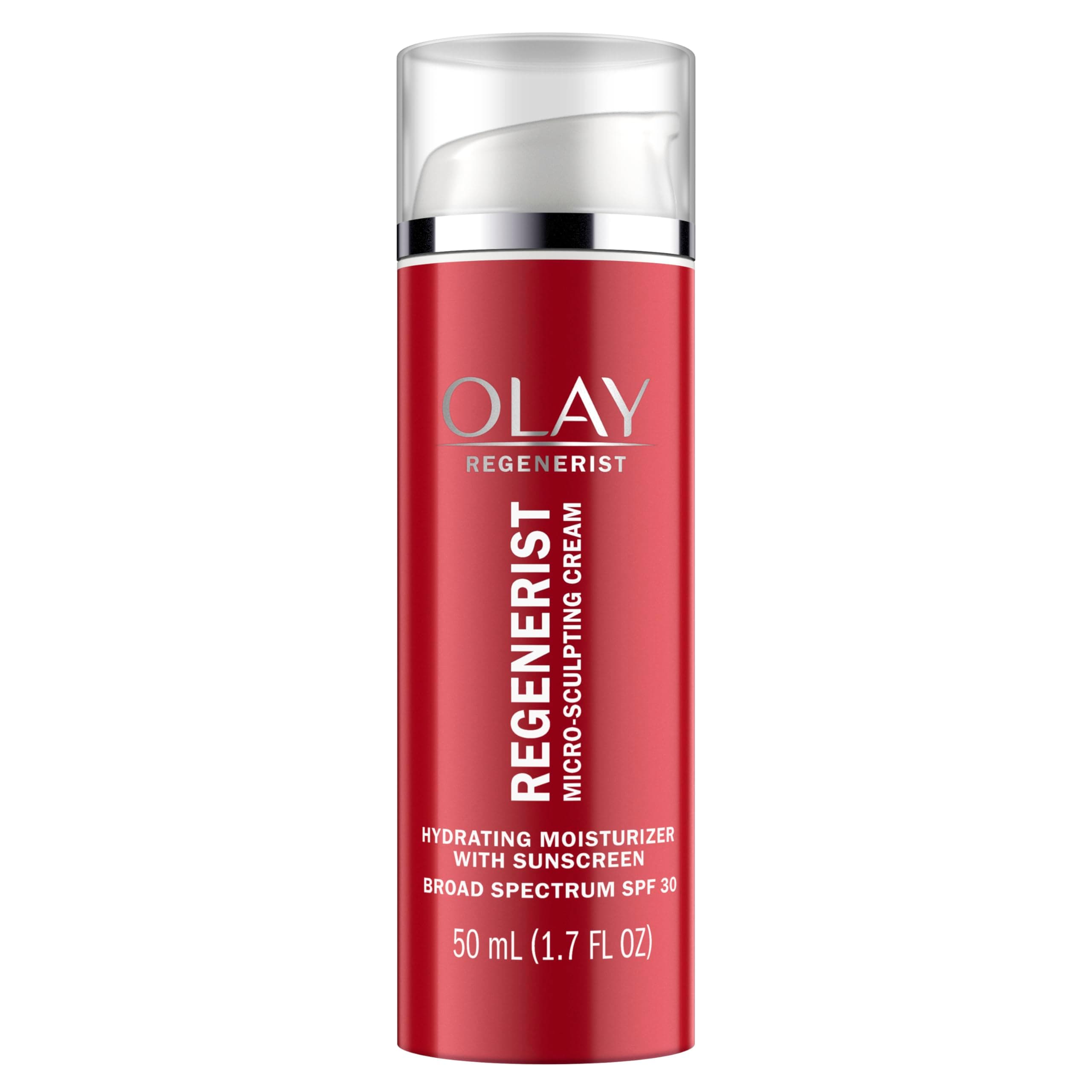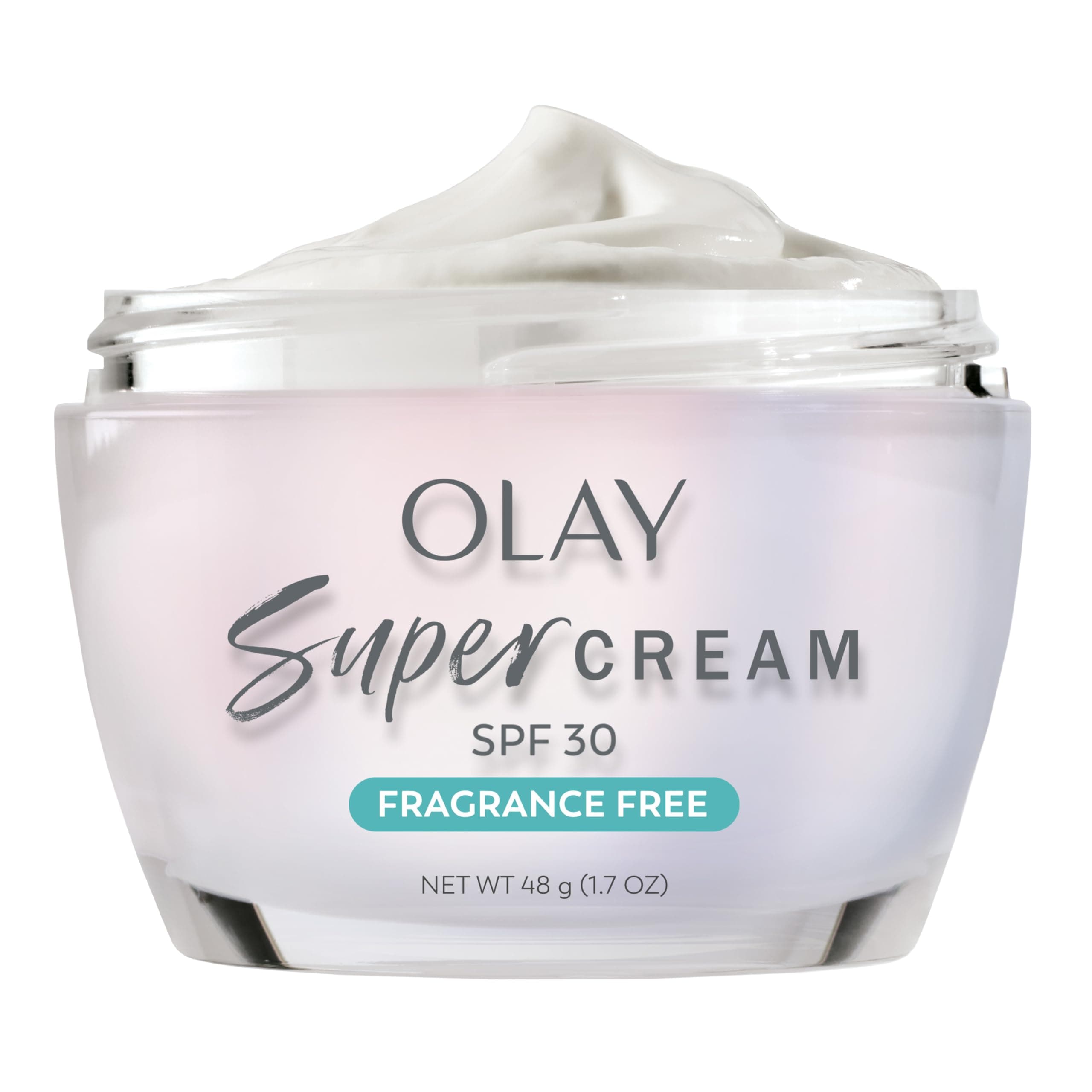
Olay Sunscreen Lightweight Moisturizer Protection
Best for: people with sensitive, acne-prone skin seeking an affordable daily sunscreen that doubles as a lightweight moisturizer
Check price on Amazon— $34.99Pros
- SPF 30 with lightweight, oil-free formula — absorbs quickly without leaving residue, making it ideal for sensitive skin that reacts to occlusive moisturizers
- Non-comedogenic and hypoallergenic certification — designed to not clog pores or trigger breakouts, with 4.3 stars across 3,420 reviews showing strong acceptance by acne-prone sensitive skin users
- At $34.99 for 3 oz, costs approximately $11.66 per fluid ounce — 57% less expensive than ISDIN travel size, making daily use affordable for budget-conscious consumers
Cons
- SPF 30 provides lower UV protection than SPF 50+ alternatives — requires more frequent reapplication every 90 minutes instead of 120+ minutes for higher SPF products
- Contains chemical sunscreen filters (likely avobenzone or oxybenzone) — can irritate highly sensitive skin or those with a history of chemical filter reactions
- Moisturizing formula may feel insufficient for very dry, eczema-prone skin — users with severe dryness often layer an additional moisturizer underneath
Full review
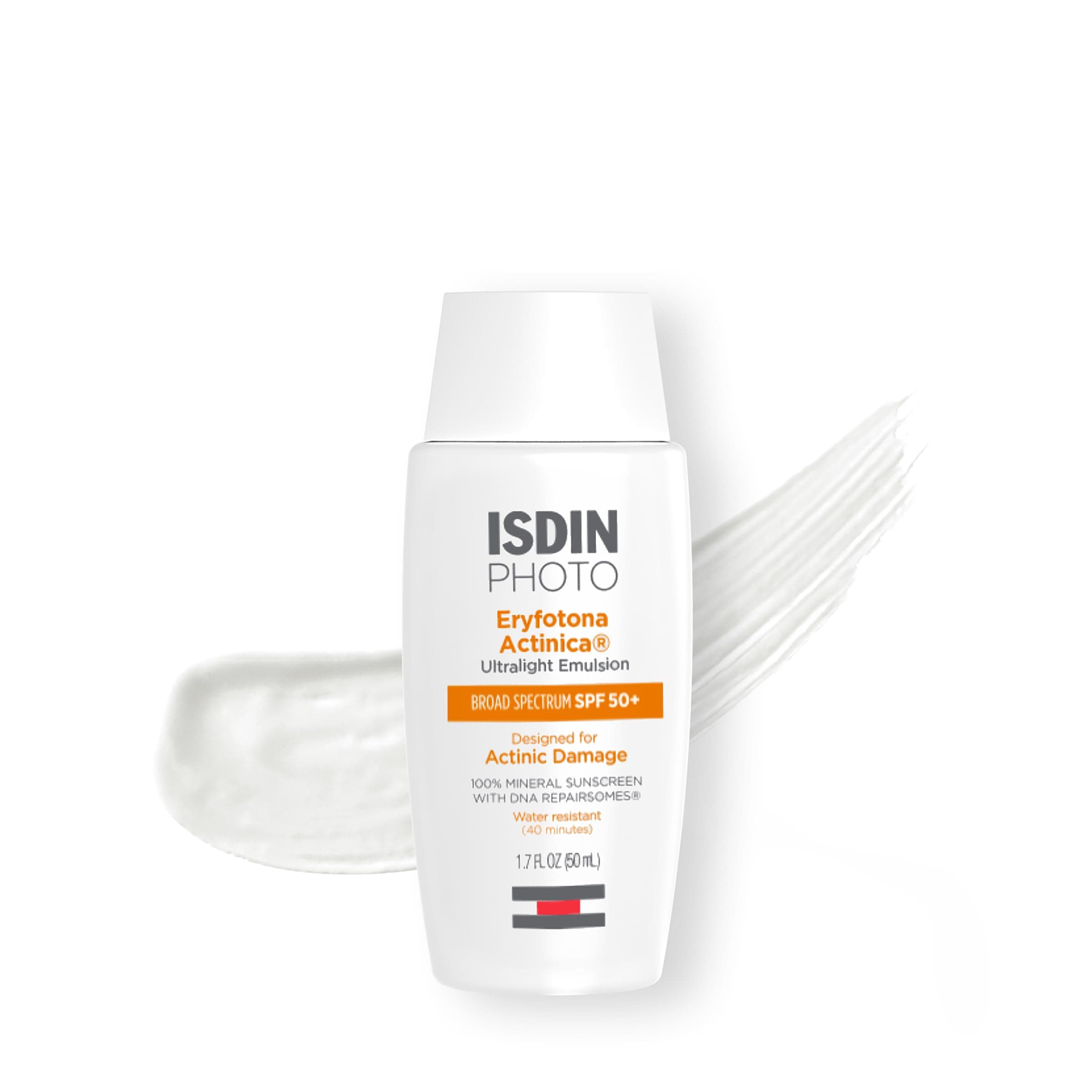
At $34.99 for 3 oz, the math works out to about $11.66 per fluid ounce. Compare that to the ISDIN Eryfotona Sunscreen Sensitive Travel Size at $27/fl oz, and you're saving 57% for everyday use. The oil-free, non-comedogenic formula absorbs quickly — no residue, no heavy film — which is exactly what congestion-prone sensitive skin needs. With 4.3 stars across 3,420 reviews, it's one of the most widely validated sensitive-skin sunscreens in this price range.
SPF 30 is where some users will want to think carefully. It's adequate for incidental sun exposure — commuting, running errands — but it requires reapplication roughly every 90 minutes in direct sun, compared to the 120+ minutes you'd get from SPF 50+. If you're spending extended time outdoors, the protection gap matters.
The bigger caveat for the most reactive skin types: this formula likely contains chemical sunscreen filters. That's how it achieves the lightweight, residue-free texture that mineral sunscreens can't match. For the majority of people with mildly sensitive or acne-prone skin, that's fine. For those with a documented chemical filter sensitivity or active eczema, it's a reason to look at the ISDIN instead. Users with very dry, compromised skin barriers also report that the moisturizing component isn't rich enough on its own — they layer a separate moisturizer underneath.
Ratings:
- Efficacy: 8.0/10
- Texture/Scent: 8.5/10
- Ingredients Quality: 7.5/10
- Packaging: 8.2/10
- Value: 9.0/10
- SPF 30 with oil-free, lightweight formula that absorbs quickly — no greasy residue, ideal for acne-prone sensitive skin
- Non-comedogenic and hypoallergenic certification, confirmed by 4.3 stars across 3,420 reviews with strong acceptance from breakout-prone users
- At $34.99 for 3 oz (~$11.66/fl oz), it's 57% cheaper per ounce than the ISDIN travel size, making daily reapplication sustainable
- SPF 30 requires reapplication every 90 minutes in direct sun — less protective than SPF 50+ options for extended outdoor exposure
- Contains chemical sunscreen filters — can irritate highly reactive skin or anyone with a documented chemical filter sensitivity
- Moisturizing component may not be enough for very dry or eczema-prone skin, often requiring an additional hydrating layer underneath
Best for: people with sensitive, acne-prone skin seeking an affordable daily sunscreen that doubles as a lightweight moisturizer.
Olay Sunscreen Lightweight Moisturizer Protection
people with sensitive, acne-prone skin seeking an affordable daily sunscreen that doubles as a lightweight moisturizer